

Choosing the right architecture firm in London is one of the most important decisions you will make when transforming your home. The capital is home to hundreds of practices, from large commercial studios to small residential architects who specialise in one-off homes. This guide explains exactly what an architecture firm does, what it costs, how long projects take, and how to choose a partner who will turn your vision into a beautifully crafted reality.
Why the Right London Architecture Firm Matters
London’s housing stock is uniquely challenging. Victorian terraces, conservation areas, party-wall constraints and tight planning rules mean that a generic approach rarely works. A skilled architecture firm in London understands these local conditions and turns constraints into opportunities. At Powell Tuck Associates, design begins with a deep respect for the heritage of a space, paired with a drive to bring timeless ideas into the future.
The difference between an average extension and an exceptional one almost always comes down to design intelligence: how light moves through a room, how spaces connect, and how materials age over time. Good bespoke home design is not decoration — it is problem-solving that makes everyday life better.
What Does an Architecture Firm Actually Do?
Many homeowners assume an architect simply draws plans. In reality, a full-service practice guides your project from first sketch to final finish. Core responsibilities typically include:
- Concept and feasibility — testing what is possible on your site and budget.
- Detailed design and bespoke home design development tailored to how you live.
- Planning applications and liaison with local authorities and conservation officers.
- Technical drawings and building-regulations packages for construction.
- Tendering, contractor selection and on-site project administration.
In short, the firm is your advocate, designer and project manager rolled into one — protecting both your vision and your investment.
Seven Practical Steps to Choosing the Right Practice
1. Confirm They Are RIBA Chartered Architects
Always check that your practice employs RIBA chartered architects. Registration with the Royal Institute of British Architects and the Architects Registration Board (ARB) guarantees formal training, professional indemnity insurance and a recognised code of conduct. You can verify any practitioner on the ARB register and explore standards via the RIBA website.
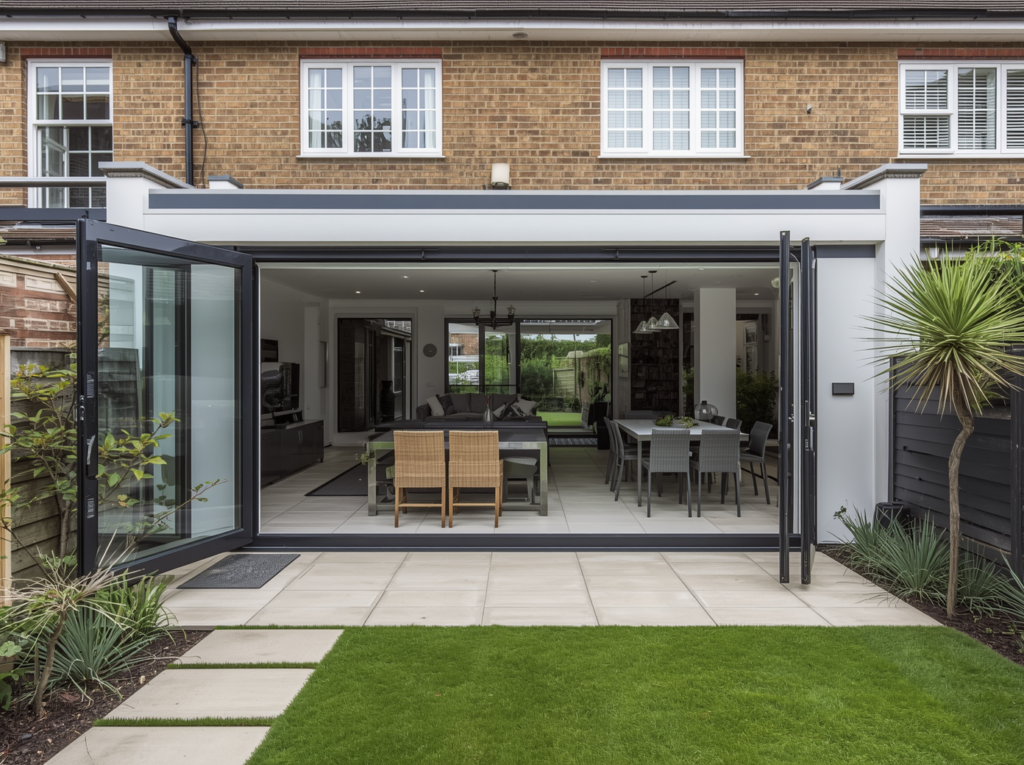
2. Review a Portfolio of Real Residential Work
A relevant portfolio is the single best predictor of fit. Look for residential architects London whose completed homes match the ambition and character of your own project. Powell Tuck Associates’ portfolio — including projects such as Highlever House, Camden House and Courtfield Gardens — demonstrates a consistent thread of craft, light and material honesty across very different briefs.
3. Ask About Their Design Process
A trustworthy firm will happily explain how it works — from initial briefing workshops to material samples and 3D visualisations. Ask how they balance aesthetics with practicality, and how they keep you informed at each stage. A clear process is a sign of a practice that delivers bespoke home design without unwelcome surprises.
4. Check Local London Experience
Planning policy varies enormously between boroughs. A firm experienced in Kensington & Chelsea conservation areas, for example, will anticipate issues a newcomer might miss. Practices with deep London roots also maintain relationships with reliable contractors, engineers and planning consultants — a real advantage when programmes are tight.
5. Understand the Fee Structure Early
Reputable firms are transparent about fees. Whether charged as a percentage of construction cost, a fixed sum or a stage-by-stage rate, you should receive a written proposal before committing. Clarity here prevents disputes later.
6. Read Testimonials and Speak to Past Clients
Independent feedback reveals how a practice behaves under pressure. One Powell Tuck Associates client described a North London conversion that gave them “more light and space,” transforming how they used their home. Reviews and word-of-mouth referrals remain among the most reliable signals of quality.
7. Make Sure the Relationship Feels Right
You may work with your architect for a year or more. Chemistry matters. The best outcomes come from a genuine creative partnership where you feel heard. If a practice listens carefully at your first meeting, that is a promising sign of the collaboration ahead.

Architect from a London practice in a design discussion, illustrating a collaborative bespoke home design process
Costs, Timelines and Real-World Expectations
Every London home is different, but understanding typical ranges helps you plan with confidence. Below are realistic guideposts — always confirm specifics with your chosen practice.
A Note on Renovations
For renovations and extensions, an architect adds value well beyond drawings: maximising space, securing planning permission and avoiding costly construction mistakes. While not legally required for every project, professional design typically pays for itself in build quality, resale value and day-to-day enjoyment.
Why Homeowners Choose Powell Tuck Associates
As a London-based architecture firm delivering creative, high-quality design solutions. Powell Tuck Associates combines craftsmanship, creativity and practicality on every commission. The team’s diverse design backgrounds allow them to solve complex problems while delivering truly bespoke results — environments that are as functional as they are beautiful, and as welcoming as they are enduring.
If you are planning a renovation, extension or new-build home. You can view completed work on the portfolio page. Learn about the team on the practice page, or start a conversation via the contact page.
Frequently Asked Questions
How much does an architect cost in London?
Architect fees in London are usually charged as a percentage of total construction cost (commonly around 8–15%). A fixed fee, or an hourly/stage rate. The exact figure depends on project complexity, level of service and the practice’s experience. A reputable firm will provide a clear written fee proposal before any work begins.
Do I need an architect for a renovation?
Not every renovation legally requires an architect, but one is strongly recommended for anything involving structural change, extensions, planning permission or significant reconfiguration. An architect maximises space, navigates regulations and reduces the risk of expensive mistakes — often saving money over the life of the project.
What does an architecture firm actually do?
A full-service architecture firm guides your project from concept and feasibility through detailed design, planning applications, technical drawings and on-site administration. It acts as your designer, advocate and project manager, protecting both your creative vision and your budget from start to finish.
How long does an architecture project take?
Timescales vary with scale and planning requirements. A typical residential extension might take a few months for design and planning, followed by construction. Larger or listed projects can run a year or more. Your architect will set out a realistic programme at the outset and update it as the project progresses.
Conclusion: Build with Craft, Care and Purpose
Choosing an architecture firm in London is about more than drawings — it is about finding a partner who understands your home, your city and your ambitions. Prioritise RIBA chartered architects with a strong residential portfolio, a transparent process and genuine local experience, and you will set your project up for success.
If you are ready to create a home that is beautiful, functional and enduring, get in touch with Powell Tuck Associates to discuss your vision. Design with craft, care and purpose — and enjoy the result for years to come.